

Share this
by The Notified Team on Feb 24, 2025, 8:44:19 PM
Press releases have become an essential source of credible information in today’s AI-driven world.
But with so much content competing for attention, a release needs to be clear, engaging and impactful to stand out – and increase chances of earned coverage.
So, how do you make your press releases more powerful? By using powerful words.
In this blog, we break down the top tips for crafting headlines that grab attention and drive engagement based on our recent webinar with writing coach Ann Wylie.

1. How To Use Reader-Benefit Words
Your headline is everything – it’s the first thing people notice, and it determines whether they keep reading or move on. That’s why crafting a compelling, engaging headline is crucial.
The most powerful headlines speak directly to the reader’s needs. Instead of simply announcing your news, think about what your audience cares about and frame your headline around that.
For example, imagine you’re an athlete looking for lightweight, flexible sportswear to improve performance.
A generic headline like “Company X Announces New Sportswear Line” doesn’t tell you why it matters. But a reader-focused headline like “Runners, Stay Cool and Move Freely: The Ultimate Sportswear for Comfort” immediately highlights the benefit. It speaks directly to athletes who prioritize comfort and flexibility, making them more likely to read on.
2. Use Verbs That Convey Action and Impact
Many press releases rely on predictable verbs like launches, announces or introduces. While these are common, they don’t create urgency or excitement. Instead, use dynamic verbs that highlight impact.
Instead of saying: “ABC Corp Announces AI Partnership”
Try: “ABC Corp Elevates Customer Experience with AI-Driven Partnership”
The word “elevates” conveys improvement and excitement, making the headline more compelling.
Your verb tells the story – it should appear in the first two or three words of your headline and create movement, impact, or curiosity. Action-oriented language makes headlines more engaging and newsworthy.
When choosing your verbs, think about the impact your news will have on your audience. Will it revolutionize, accelerate, empower, transform, simplify, or enhance something important to them? Strong verbs give your headlines the energy they need to stand out.
Check out this example from the GlobeNewswire newsroom:
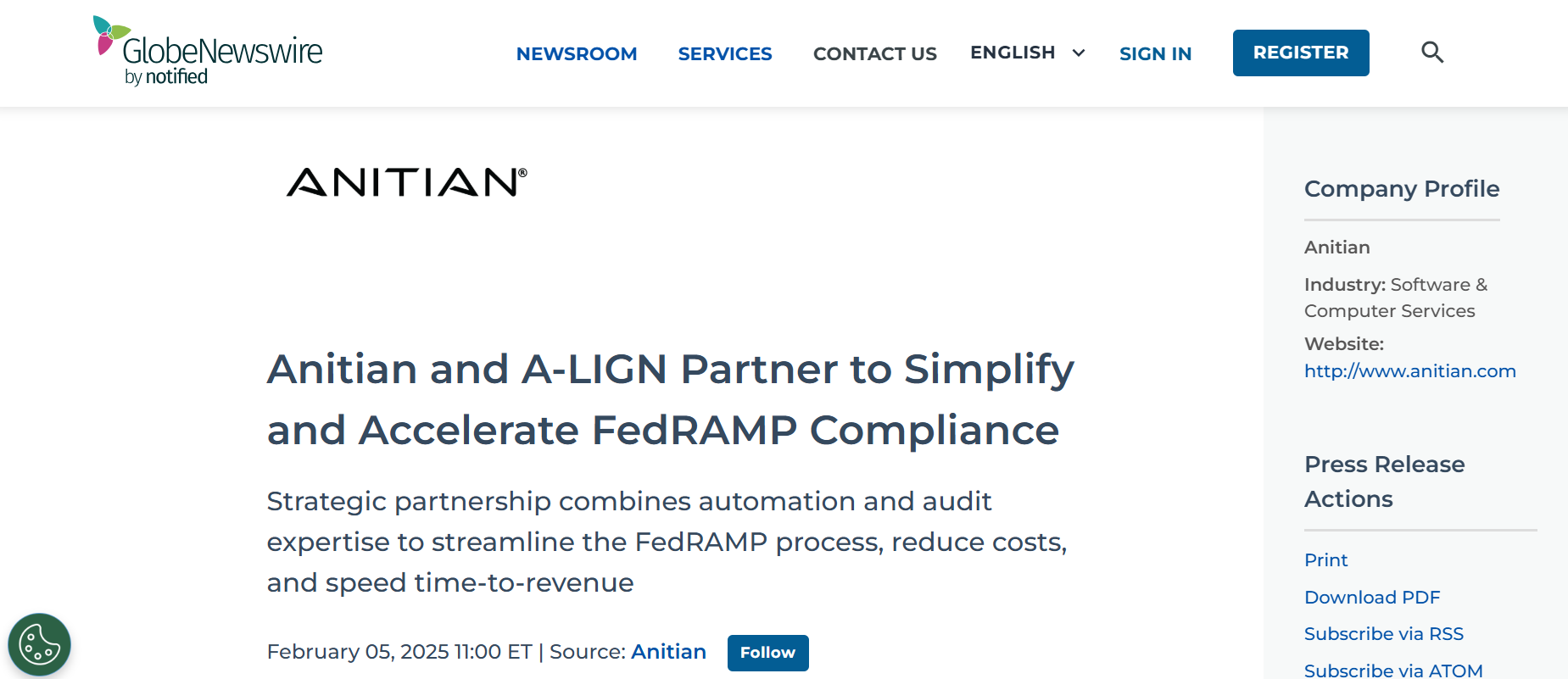
The verbs “simplify” and “accelerate” immediately highlight the real-world impact of the news, making it more compelling to the reader.
3. Keep Your Press Release Headline Concise (But Not Too Short)
A common mistake in press release headlines is making them too long. Readers (and search engines) tend to skip overly wordy headlines.
Ann’s recommendations:
- Aim for at least six words but avoid excessive wording.
- Headlines that are too short (less than six words) may not rank well in Google search results.
- Use SEO tools to optimize your headline - platforms like SEMrush help you fine-tune your wording to improve search visibility.

4. Should You Include Your Company Name in a Press Release Headline?
Many PR pros wonder if their company name should be in the headline. According to Ann Wylie, it’s not necessary – your goal is to grab the attention of readers who don’t already know your brand.
Instead, place your company name in the subheadline for better readability and impact.
5. Should You Use Data in Your Press Release Headline?
Numbers grab attention and add credibility – especially if your press release covers a study or survey.
When using data, put the most newsworthy, surprising or relevant stat at the start to draw readers in. For example:
“75% of Drivers Admit to Speeding – New Study Reveals Risky Trends”
Then, use your subheadline (deck) to provide extra details, like the organization behind the study.
By keeping headlines short, focused, and data-driven, you increase the chances of grabbing attention and driving engagement.
How To Use Power Words in Your Press Releases
Your press release is competing for attention in a crowded online landscape.
By using power words, reader-benefit framing and strong action verbs, you can make your headlines stand out and drive real engagement for your organization.
Subscribe to our blog to get more best practices delivered to your inbox each Friday!
How tonies Brought Its Investment Story to Life for Investors Everywhere
Why AI Visibility Measurement Belongs to Public Relations

How to Measure AI Search Visibility Without Chasing a Score